Phone:
(701)814-6992
Physical address:
6296 Donnelly Plaza
Ratkeville, Bahamas.

Phone:
(701)814-6992
Physical address:
6296 Donnelly Plaza
Ratkeville, Bahamas.
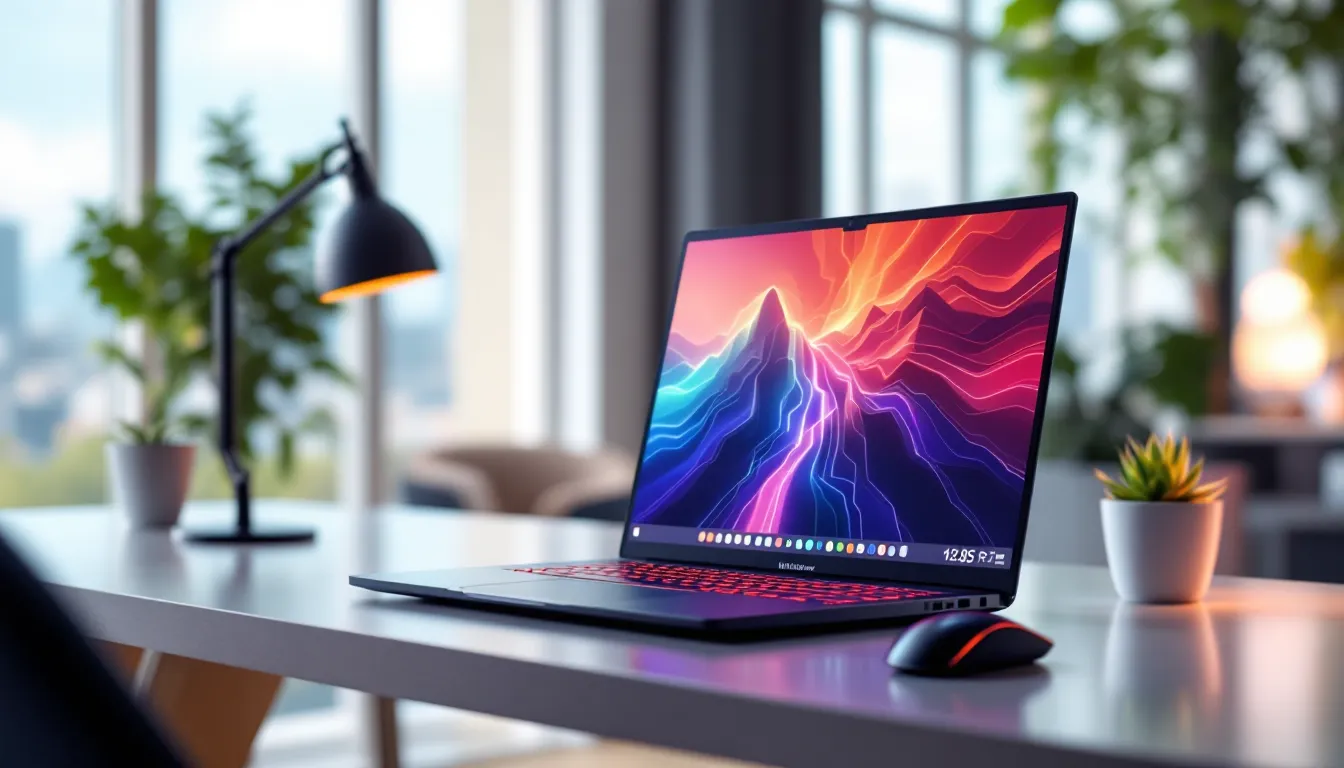
Battery life used to be a punchline in gaming laptop conversations. You’d plug in, game hard, and accept that your “portable” machine was really just a desktop with a handle. But 2026 has changed the game, literally. Modern chips like Intel’s Meteor Lake and AMD’s Ryzen 8000 series, paired with NVIDIA’s 50-series mobile GPUs and their aggressive power gating, have pushed unplugged gaming sessions well past the three-hour mark. Some machines now hit six to eight hours of mixed use without breaking a sweat.
For anyone who’s tired of hunting for outlets at LAN parties, coffee shops, or during long flights, this matters. Whether you’re grinding ranked matches between classes or editing stream footage on the go, battery life defines how portable your gaming laptop actually is. This guide covers the longest-lasting gaming laptops in 2026, what drives their endurance, and how to squeeze every minute from your battery without sacrificing fps.
Portability only counts if you can actually use the machine away from a wall socket. A gaming laptop that dies in 90 minutes isn’t portable, it’s a liability.
Battery endurance impacts more than just gaming sessions. Students and hybrid workers need machines that handle lectures, meetings, and content creation without constant charging. Competitive players at local tournaments can’t always rely on venue power setups. Even at home, untethered gaming on a couch or bed beats being chained to a desk.
The performance trade-off has also narrowed dramatically. Older laptops forced you to choose: max fps or any battery life at all. Now, dynamic GPU switching, efficient displays, and smarter power profiles let you game at medium settings for hours, then plug in for competitive play. Battery life isn’t a compromise anymore, it’s a feature that expands how and where you game.
The CPU and GPU are the biggest power drains, bar none. A laptop running an Intel Core Ultra 7 155H with integrated Arc graphics can coast for hours on light tasks. Flip on an NVIDIA RTX 5070 for AAA gaming, and you’re looking at 90 minutes max, sometimes less if you’re pushing high settings.
Processor architecture matters as much as raw specs. Intel’s hybrid core design (P-cores for performance, E-cores for efficiency) and AMD’s Zen 5 cores both throttle aggressively when workloads drop. NVIDIA’s RTX 50-series introduced better idle power states and per-application GPU switching, so the dedicated card only wakes when needed. Laptops that support MUX switches or Advanced Optimus can route lighter tasks through integrated graphics, saving watts without manual toggling.
RAM and storage draw power too, but they’re minor compared to the processor and GPU. Fast DDR5 memory consumes slightly more than DDR4, and NVMe SSDs are more efficient than older SATA drives. Still, shaving 30 minutes by downgrading RAM speed isn’t worth it, focus on the big hitters.
Your screen is a silent battery killer. A 17.3-inch 4K 240Hz panel can drain 15-20 watts at full brightness, while a 14-inch 1080p 60Hz IPS display might use 5-7 watts. Resolution, refresh rate, and panel technology all stack up.
OLED panels look stunning with their per-pixel lighting and infinite contrast, but they’re power-hungry, especially when displaying bright content. IPS displays are more efficient overall, and newer mini-LED backlights offer a middle ground with local dimming zones that save power on darker scenes. Some 2026 models feature dynamic refresh rate switching, dropping from 165Hz to 60Hz during desktop work or video playback without user input.
Brightness is the easiest dial to turn. Dropping from 100% to 60% brightness can extend battery life by 20-30% with almost no perceptible loss in indoor environments. If your laptop has a brightness toggle hotkey, it’s one of the fastest wins for unplugged longevity.
Battery capacity is measured in watt-hours (Wh), and gaming laptops in 2026 range from 55Wh in ultraportable models to 99.9Wh in desktop replacements (just under the 100Wh airline carry-on limit). More capacity means longer runtime, but only if the laptop’s power draw is reasonable. A 90Wh battery paired with a power-hungry 17-inch 4K display and RTX 5080 won’t outlast a 75Wh battery in a 14-inch machine with an RTX 5060.
Power management software has gotten smarter. Windows 11’s native profiles (Best Performance, Balanced, Best Power Efficiency) now integrate with manufacturer utilities like ASUS Armoury Crate, MSI Center, and Lenovo Vantage. These tools can cap CPU turbo boost, limit GPU clocks, and disable RGB lighting on battery power. Some laptops even feature AI-driven power management that learns usage patterns and adjusts settings proactively.
Charging tech also plays a role in practical battery life. Fast charging via USB-C PD (100W or higher) means you can top up quickly during short breaks, making smaller batteries more livable. Laptops with dual charging options, proprietary barrel plug and USB-C, offer flexibility when traveling.
ASUS ROG Zephyrus G14 (2026), 14-inch, AMD Ryzen 9 8945HS, NVIDIA RTX 5070, 90Wh battery
The latest G14 pushes 7-8 hours of mixed use and 2.5-3 hours of medium-setting gaming unplugged. AMD’s Ryzen 9 8945HS sips power during productivity tasks, and the RTX 5070’s dynamic boost only kicks in when fps demand it. The 14-inch 2.5K 165Hz IPS display balances sharpness and efficiency better than 4K alternatives.
ASUS’s Armoury Crate lets you toggle between Silent, Performance, and Turbo modes on the fly. Silent mode disables turbo boost and caps the GPU, stretching battery to nearly 9 hours for web browsing and video playback. The 90Wh battery charges via 100W USB-C PD or the included 240W barrel adapter, giving you flexibility on the road.
It’s not cheap, expect to pay around $2,299-$2,499 depending on configuration, but the build quality, performance, and battery endurance make it the best all-around option for gamers who refuse to compromise.
Acer Nitro 5 (2026 Refresh), 15.6-inch, Intel Core i5-13450HX, NVIDIA RTX 5050, 57Wh battery
Acer’s Nitro line has always punched above its weight on value, and the 2026 refresh nails the budget segment. With a street price around $899-$1,049, it delivers 5-6 hours of light use and 1.5-2 hours of 1080p gaming at medium settings. The RTX 5050 is efficient enough to handle esports titles without torching the battery.
The 15.6-inch 1080p 144Hz IPS panel isn’t flashy, but it’s responsive and power-efficient. The 57Wh battery is modest, but Acer’s NitroSense software includes a battery-saver mode that throttles CPU clocks and caps refresh rate at 60Hz. It’s plastic-heavy and lacks premium touches like RGB per-key backlighting, but the thermal design is solid and the battery life beats most sub-$1,000 competitors.
If you’re a college gamer or someone dipping into PC gaming without very costly, this is the pick. Just keep the charger handy for longer sessions.
Razer Blade 14 (2026), 14-inch, AMD Ryzen 9 8945HS, NVIDIA RTX 5060, 68Wh battery
Razer’s Blade 14 weighs just 3.92 pounds and slots into backpacks like an ultrabook, but it’s packing an RTX 5060 and a 165Hz QHD+ display. Battery life hits 6-7 hours with light workloads and about 2 hours of gaming at native resolution and medium-high settings. Independent testing from gaming laptop benchmarks confirms it as one of the most balanced 14-inch machines in 2026.
The CNC aluminum chassis feels premium, and the vapor chamber cooling keeps temps reasonable even during sustained loads. Razer Synapse allows granular control over fan curves, lighting, and power profiles. The 68Wh battery is smaller than the G14’s, but the Blade 14’s efficient display and Ryzen chip close the gap.
At $2,199-$2,399, it’s priced similarly to the G14, so the choice comes down to preference: Razer’s sleeker design and build versus ASUS’s slightly longer battery life and more aggressive cooling.
Lenovo Legion 7i Gen 9, 16-inch, Intel Core i9-14900HX, NVIDIA RTX 5080, 99.9Wh battery
If you want desktop-class performance and still care about battery life, the Legion 7i is the unicorn. The massive 99.9Wh battery, maxed out for air travel, delivers 5-6 hours of productivity and a surprising 2-2.5 hours of AAA gaming at 1600p medium-high settings. That’s unheard of for a machine running an RTX 5080.
Lenovo’s AI Engine+ dynamically shifts power between the CPU and GPU based on workload, and the 16-inch 2560×1600 165Hz display strikes a sweet spot between sharpness and efficiency. When plugged in, the Legion 7i hits 200+ fps in esports titles and handles ray tracing in Cyberpunk 2077 or Starfield without breaking a sweat.
The downsides? It’s a hefty 5.5 pounds, and the starting price is around $2,799-$3,199 depending on config. But for LAN events or travel where you need top-tier performance and occasional unplugged flexibility, nothing else comes close.
Windows 11’s power profiles are your first stop. Switch to “Best Power Efficiency” when unplugged, it caps CPU turbo boost and throttles background tasks. For gaming, use “Balanced” mode and rely on manufacturer software to toggle GPU settings.
Most gaming laptops now support hybrid GPU modes: integrated-only, discrete-only, or automatic switching. Set your laptop to use integrated graphics (Intel Arc or AMD Radeon) for desktop work, Discord, and streaming video. Reserve the dedicated GPU for gaming sessions. ASUS, MSI, and Lenovo utilities all support per-app GPU assignment, so you can whitelist your games and leave everything else on the iGPU.
Disable RGB lighting on battery power. Per-key backlighting and chassis LEDs can draw 3-5 watts combined, seemingly minor, but that’s 20-30 minutes of runtime over a few hours.
Drop brightness to 50-60% when indoors. Your eyes will adjust in seconds, and you’ll save 20-30% battery life immediately. If your laptop has an ambient light sensor, let it manage brightness automatically.
Refresh rate matters more than most gamers think. Running a 240Hz display at full speed on battery drains power even when you’re just browsing Reddit. Use Windows display settings or your laptop’s control center to cap refresh rate at 60Hz when unplugged. Some 2026 models with dynamic refresh rate switching handle this automatically, but manual override is still available.
If your laptop supports VRR (Variable Refresh Rate) or G-SYNC, keep it enabled, it’ll drop refresh dynamically during low-motion scenes, saving power without stuttering.
Close launchers you’re not using. Steam, Epic Games Launcher, Battle.net, and Xbox app all run background updates and cloud sync that chew through CPU cycles. Exit them fully (not just minimize) when on battery.
Task Manager is your friend. Sort by CPU and GPU usage to spot rogue processes. Windows Update, OneDrive sync, and antivirus scans can wait until you’re plugged back in. You can pause updates in Windows settings and schedule antivirus scans for specific times.
Disable startup programs you don’t need. Many RGB utilities, peripheral software, and chat apps launch on boot and idle in the background. Review your startup list (Ctrl+Shift+Esc > Startup tab) and disable anything non-essential. You’ll gain battery life and faster boot times.
CPU efficiency determines how long your laptop lasts during non-gaming tasks. Intel’s Core Ultra series (Meteor Lake architecture) and AMD’s Ryzen 8000/9000 mobile chips both feature hybrid core designs that balance power and performance. Look for H-series or HS-series processors, they’re tuned for laptops and include better power gating than desktop chips.
Core count isn’t everything. A 14-core Intel i7 with 6 P-cores and 8 E-cores will outlast a 16-core desktop chip crammed into a laptop chassis. Check TDP (Thermal Design Power) specs: 45W base TDP chips are more efficient than 55W+ variants, though they may sacrifice a few fps under load.
Don’t ignore single-threaded performance. Games still lean heavily on fewer, faster cores. A Ryzen 9 8945HS with excellent single-core speed and low idle power is better for battery life than a many-core beast that constantly runs hot.
Integrated graphics (Intel Arc, AMD Radeon) are lifesavers for battery endurance. They handle desktop tasks, video playback, and even light esports titles like League of Legends or Valorant at 1080p low settings. Laptops with MUX switches or Advanced Optimus can route display output through the iGPU when the dGPU isn’t needed, cutting power draw by 10-15 watts.
For dedicated GPUs, the RTX 5050 and 5060 are the sweet spot for battery life. They handle 1080p gaming at medium-high settings without the power appetite of an RTX 5080. According to analysis from laptop GPU comparisons, the 5060 draws 20-30% less power than the 5070 at similar settings, translating to 30-45 extra minutes per charge.
Skip Max-Q branding confusion, NVIDIA dropped it in favor of TGP (Total Graphics Power) ratings. Look for GPUs with TGP ratings between 80-115W for a good balance. Anything above 140W is a battery killer, no matter how efficient the rest of the system is.
Bigger batteries are better, but only up to a point. The 100Wh airline limit means most high-capacity gaming laptops max out at 99.9Wh. Below 70Wh, expect shorter unplugged sessions unless the laptop is extremely efficient.
Don’t just read the Wh rating, check runtime benchmarks. A 90Wh battery paired with a power-hungry 4K display and RTX 5080 won’t outlast a 75Wh battery in a 1080p machine with an RTX 5060. Real-world testing from tech reviewers provides better context than spec sheets alone.
Consider charging speed and flexibility. USB-C PD charging (100W or higher) is a huge convenience, especially if you already carry a USB-C charger for your phone or tablet. Fast charging can top up 50% in 30-40 minutes, making smaller batteries less of a compromise.
Battery life varies wildly depending on workload. A laptop advertised as “8 hours” might mean 8 hours of web browsing at 50% brightness, not 8 hours of Elden Ring at max settings.
For general use (web browsing, streaming, light productivity), expect:
For active gaming (1080p medium-high settings), expect:
These numbers assume reasonable settings, 1080p or 1440p resolution, medium-high graphics, 60-100 fps target. Push 4K ultra settings or competitive esports at 240+ fps, and you’ll drain the tank in under 90 minutes regardless of battery size.
Hybrid workloads are where efficient laptops shine. Editing a stream VOD in DaVinci Resolve, hopping into a ranked match, then writing a paper without recharging? That’s the real test. Machines with good iGPU/dGPU switching and aggressive power profiles can stretch a full day of mixed use to 5-6 hours, which beats most gaming laptops from even two years ago.
Myth: Gaming laptops can never last more than 2 hours on battery.
False. Modern chips and efficient displays have pushed mixed-use runtime to 8+ hours on some models. Even active gaming can hit 2.5-3 hours with the right hardware and settings.
Myth: You should always keep your laptop plugged in to preserve battery health.
Partially false. Lithium-ion batteries degrade from heat and constant 100% charge, not from charge cycles. Most 2026 laptops include battery care modes that cap charge at 80% when plugged in long-term. Use those settings if you’re desk-bound most of the time, but don’t be afraid to unplug and use your machine on battery regularly.
Myth: Disabling turbo boost ruins gaming performance.
Not true for most titles. Capping turbo boost reduces CPU clocks by 10-20%, but GPU-bound games (most AAA titles) won’t notice the difference. You’ll lose 5-10 fps max and gain 30-40 minutes of battery life. For esports titles where CPU speed matters more, you’ll see a bigger hit, but you can re-enable turbo when plugged in.
Myth: Bigger batteries always mean longer runtime.
Nope. A 99Wh battery paired with a 17-inch 4K 240Hz display and RTX 5080 can drain faster than a 70Wh battery in a 14-inch 1080p machine with an RTX 5060. Total system power draw matters more than raw battery capacity.
Myth: OLED displays always drain more battery than IPS.
Mostly true, but context matters. OLED panels are more efficient on dark content (black pixels draw zero power), but bright scenes or desktop work with white backgrounds hammer the battery. If you game in darker environments or use dark mode everywhere, OLED’s efficiency gap narrows. Still, IPS is generally safer for battery longevity.
Battery life isn’t a pipe dream for gaming laptops anymore, it’s a legitimate selling point in 2026. Efficient processors, smarter GPU switching, and larger batteries have turned “portable gaming” from a marketing lie into a daily reality.
The ASUS ROG Zephyrus G14 and Razer Blade 14 lead the pack for all-around endurance and portability, while the Lenovo Legion 7i proves you can have desktop-class performance without being permanently tethered to a wall. Budget shoppers will find solid value in the Acer Nitro 5, even if it requires more frequent charging.
When shopping, prioritize efficient CPUs, mid-range GPUs (RTX 5060/5070), and displays that balance refresh rate with power draw. Don’t just trust the manufacturer’s runtime claims, dig into real-world benchmarks and reviews. And once you’ve got your laptop, lean into power profiles, GPU switching, and display tweaks to stretch every minute from your battery.
Gaming on the go is finally practical. Choose the right machine, tune your settings, and you’ll wonder how you ever tolerated hunting for outlets every two hours.
