Phone:
(701)814-6992
Physical address:
6296 Donnelly Plaza
Ratkeville, Bahamas.
Phone:
(701)814-6992
Physical address:
6296 Donnelly Plaza
Ratkeville, Bahamas.
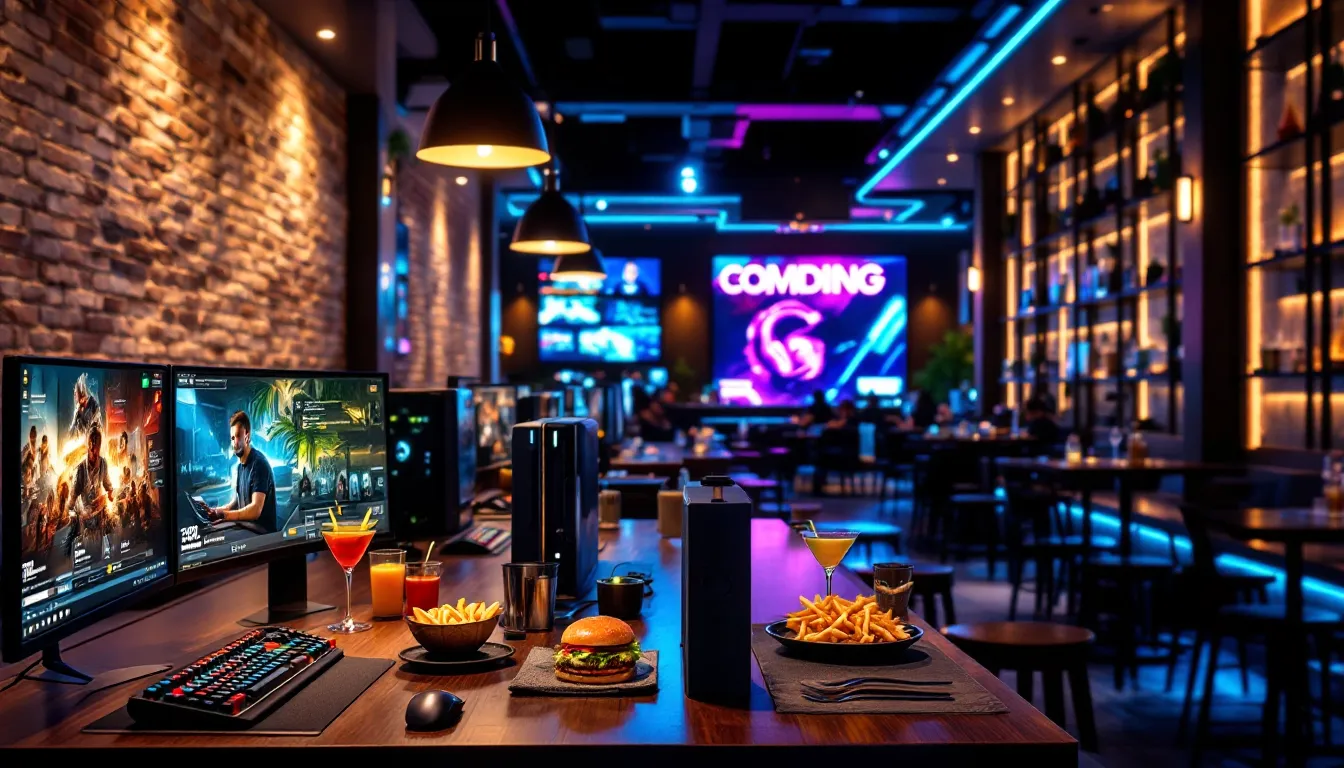
The line between gaming and dining has blurred into something genuinely exciting. Walk into the right spot in 2026, and you’ll find competitive Counter-Strike matches playing out on wall-mounted screens while you demolish sliders, VR headsets waiting at booths next to craft beer taps, or classic arcade cabinets flanking your table as servers bring rounds of loaded fries. Gaming restaurants have evolved far beyond the pizza-and-tokens model of 1990s arcades, they’re full-fledged entertainment destinations where you can queue into Valorant ranked matches, watch a League of Legends tournament, or duke it out in Mario Kart while nursing a cocktail. Whether you’re a competitive FPS grinder looking for a night off or a casual player who wants couch co-op with actual food, these spots hit differently than grinding solo at home. Let’s break down what makes gaming restaurants tick in 2026 and where you should actually spend your time and money.
A gaming restaurant is exactly what it sounds like: a venue that combines full-service dining or a full bar with on-site gaming setups. You’re not just grabbing food between matches at home, you’re playing at the restaurant, whether that’s on arcade machines, high-spec gaming PCs, console stations, or VR rigs.
Think of it as the natural evolution of the arcade. Instead of pockets full of quarters and a hot dog from a vending machine, you’ve got table service, craft cocktails, and equipment that actually runs modern games at decent framerates. Some spots lean heavily into nostalgia with classic cabinets and retro consoles. Others are decked out like internet cafés, complete with RTX 4080-powered rigs and 240Hz monitors.
The core idea: you pay for time, food, or both, and the venue provides the gaming infrastructure. It’s a social gaming experience with better snacks than you’d make at home and zero cleanup. For groups who want to hang out IRL instead of through Discord, it’s a solid middle ground between a LAN party and a standard bar night.
Gaming stopped being a basement hobby somewhere around the mid-2010s, and restaurants noticed. The explosion of streaming platforms like Twitch and YouTube Gaming legitimized gaming as a spectator activity, while multiplayer titles, from Fortnite to Apex Legends, made gaming inherently social again.
Restaurants adapted by creating spaces where gamers could gather physically, not just digitally. Early adopters were mostly retro arcade bars banking on millennial nostalgia, but the model proved sticky. Turns out people will pay a premium to play Street Fighter II with a beer in hand. As gaming went mainstream, so did the restaurant concepts. Venues started catering to broader audiences: families, date nights, corporate events, even bachelor parties.
The pandemic accelerated this shift. When traditional entertainment options shut down, gaming became the default social outlet. Post-2023, as people craved in-person experiences again, gaming restaurants offered a hybrid: the communal vibe of a bar or restaurant with the engagement of gaming. Many outlets covering gaming culture and entertainment have tracked this resurgence as part of a broader “experience economy” trend.
Esports changed everything. Once League of Legends Worlds started filling stadiums and Valorant Champions Tour events pulled millions of viewers, restaurants saw an opportunity: become the local watch party hub. Esports viewing lounges popped up in major cities, offering big screens, low-latency streams, and themed menus tied to specific games or tournaments.
Streaming culture added another layer. Venues began hosting IRL streams, partnering with local content creators to bring their audiences into physical spaces. Some restaurants even installed streaming booths where customers could broadcast their gameplay. It’s a symbiotic relationship, streamers get content and venue partnerships, restaurants get free marketing and foot traffic.
The result? Gaming restaurants in 2026 aren’t just places to play, they’re content creation hubs, community gathering spots, and esports viewing destinations rolled into one. The business model evolved from “pay-per-game” to “pay-per-hour” or even subscription-based memberships, mirroring how the broader gaming industry shifted from one-time purchases to live-service models.
These are the OGs of the gaming restaurant scene. Walk in and you’re immediately hit with the glow of CRT screens and the clatter of joystick-on-button combat. Expect lineups of classic cabinets: Pac-Man, Galaga, Street Fighter II, Mortal Kombat, and plenty of pinball machines.
Most retro arcade bars operate on a simple model: free-to-play games with a cover charge, or a small cost per play (usually via tokens or a rechargeable card). The food skews toward bar fare, burgers, wings, loaded nachos, and the drink menu leans into craft beer and cocktails with cheeky game-inspired names.
These spots thrive on nostalgia but also pull in younger crowds who never lived through the original arcade era. There’s something universally satisfying about button-mashing your way through a beat-’em-up with a pint in your off-hand. They’re ideal for casual hangouts, not serious gaming sessions.
This is where competitive gamers and grinders feel at home. PC and console gaming cafés are built around high-performance hardware: think Intel i9 or AMD Ryzen 9 CPUs, RTX 4070 or 4080 GPUs, 32GB+ RAM, and monitors ranging from 144Hz to 360Hz depending on the venue’s budget.
You’ll find popular multiplayer titles pre-installed: Valorant, CS2, League of Legends, Dota 2, Overwatch 2, Fortnite, Apex Legends, and sometimes single-player AAA titles for those who just want to experience games they can’t run at home. Console stations usually feature PS5s and Xbox Series X consoles with big-screen TVs, often set up for party games like Mario Kart 8 Deluxe, Super Smash Bros. Ultimate, or FIFA.
Pricing is typically hourly, ranging from $5 to $15 per hour depending on location and hardware quality. Food and drinks are secondary here, expect energy drinks, coffee, ramen bowls, and finger foods designed to be eaten one-handed without greasing up peripherals.
VR gaming restaurants are the newest kids on the block, and they’re still finding their footing. These venues offer Meta Quest 3, PSVR2, or Valve Index setups in dedicated play zones, often with titles like Beat Saber, Half-Life: Alyx, Resident Evil Village VR, or Walkabout Mini Golf.
The dining component varies. Some spots treat VR as an add-on experience, book a booth, order food, and reserve a 30-minute VR session. Others structure the entire visit around VR, offering timed experiences with food served between rounds.
VR restaurant gaming works best for groups doing something different or for dates where you want a memorable, slightly chaotic experience. Just don’t expect to eat during your session, VR and hot plates don’t mix.
Esports viewing lounges are basically sports bars, but the screens show Dota 2’s The International or the League of Legends Mid-Season Invitational instead of football. Major platforms covering gaming technology news have documented the rapid growth of these venues, especially in cities with strong esports scenes.
These venues go all-in on presentation: multiple large-format screens, surround sound, live stat trackers, and sometimes on-site analysts or casters for bigger events. Some offer betting integrations (where legal) or fantasy esports brackets to keep crowds engaged.
Food and drink are the revenue drivers here, so expect full menus and premium pricing during major tournaments. The vibe is communal and hype-driven, cheering with strangers when your team clutches a 1v5 or collectively groaning at a throw. If you’re into competitive gaming but don’t want to play yourself, this is your spot.
Quality varies wildly, so it’s worth checking ahead. High-end PC cafés will advertise their specs front-and-center: expect RTX 4070 Ti or better GPUs, 1440p or 4K monitors, mechanical keyboards (Cherry MX or similar switches), and gaming mice from brands like Logitech, Razer, or SteelSeries. Some venues even let you plug in your own peripherals if you’re particular about gear.
Console setups usually feature PlayStation 5 or Xbox Series X hooked up to 55-inch or larger 4K TVs. Controller condition matters, worn-out analog sticks or sticky buttons kill the vibe fast, so better venues rotate stock regularly.
Retro spots maintain their cabinets with varying success. The best ones keep everything in working order with responsive controls and bright screens. The sketchy ones have cabinets held together with duct tape and hope.
VR setups require the most space and maintenance. Look for clean headsets, charged controllers, and adequate play zones with padded floors or mats. If a venue’s VR area feels cramped or the equipment looks grimy, skip it.
Gaming restaurant menus split into two camps: novelty or practicality. Novelty menus lean into theming, dishes named after games, drinks that glow under blacklight, burgers stacked absurdly high for Instagram photos. It’s fun, but the food quality is hit-or-miss.
Practical menus focus on one-handed eating and low-mess options: sliders, wings, fries, tacos, rice bowls, wraps. These spots understand you’re not putting down the controller for a knife and fork. Many outlets that publish gaming laptop guides and deal roundups have noted how gaming-focused food design has become a competitive differentiator for these venues.
Drink selection typically includes energy drinks (Monster, Red Bull, G Fuel), craft beer, cocktails, and plenty of soda. Some venues partner with gaming-adjacent brands for exclusive beverages or limited-run flavors.
Pricing sits slightly above typical casual dining, you’re paying for the experience and equipment access, not just the meal. Expect $12–$18 burgers, $8–$14 appetizers, and $6–$10 drinks depending on the market.
The best gaming restaurants build around group play. Console stations often cluster around shared screens for party games or co-op titles. PC setups sometimes include LAN party configurations where groups can book adjacent rigs for squad matches.
Many venues host regular events: tournament nights, cosplay meetups, game launch parties, or developer Q&As. Some offer loyalty programs or membership tiers that include discounted hourly rates, priority booking, or exclusive event access.
Community boards, physical or digital, let regulars organize pickup groups, find raid teammates, or challenge other patrons. Discord servers tied to specific venues have become common, extending the social experience beyond physical visits.
The multiplayer experience quality depends heavily on network infrastructure. Good venues invest in gigabit fiber, low-latency routing, and enough bandwidth to handle dozens of simultaneous connections without lag spikes. Bad ones cheap out and you’ll spend half your session watching reconnect screens.
North America has seen explosive growth in gaming restaurant concepts over the last few years. Here are standout venues worth the trip:
Los Angeles remains the epicenter, with multiple high-end PC cafés in Koreatown offering top-tier hardware and Korean-style gaming café culture. Expect premium hourly rates but immaculate setups and extensive food menus.
Toronto’s gaming bar scene blends retro arcade nostalgia with modern console lounges. Several venues host weekly Super Smash Bros. and fighting game tournaments with solid local turnout.
Austin leans into the esports viewing lounge model, with bars broadcasting major tournaments and offering Texas BBQ-inspired menus alongside craft beer selections.
New York City offers variety, from compact VR experience centers in Manhattan to sprawling multi-floor gaming complexes in Brooklyn featuring everything from classic arcade cabinets to competitive PC setups.
Chicago’s gaming restaurant scene emphasizes community, with several spots offering membership models that include unlimited play time and food/drink discounts.
If you’re traveling and want to check out gaming restaurants elsewhere, these cities lead the pack:
Seoul, South Korea remains the gold standard. PC bangs (internet cafés) have evolved into premium gaming restaurants with chef-prepared meals, high-end peripherals, and speeds that make NA servers look like dial-up. Many operate 24/7.
Tokyo, Japan offers everything from intimate retro game bars tucked into Akihabara alleyways to massive multi-story gaming complexes in Shibuya featuring VR zones, console lounges, and full restaurant service.
London, UK has embraced the esports viewing lounge concept hard, with multiple venues offering watch parties for major EU and international tournaments alongside British pub fare and craft beer.
Berlin, Germany features industrial-chic gaming cafés with cutting-edge hardware, often hosting LAN events and developer showcases for indie titles.
Singapore combines high-tech gaming infrastructure with diverse food cultures, resulting in venues where you can play Dota 2 on fiber internet while eating hawker-style dishes.
The international scene tends to take gaming restaurants more seriously as businesses rather than novelties, resulting in better equipment maintenance and more refined food offerings.
Group dynamics matter. If you’re rolling with competitive FPS players, skip the retro arcade bar, they’ll be bored in twenty minutes. PC cafés or console lounges with current multiplayer titles are the move. Book a block of PCs for squad ranked matches in Valorant or CS2, or grab console stations for Call of Duty or Halo Infinite.
Casual groups or mixed skill levels? Retro arcade bars or party-game-focused console setups work best. Games like Mario Kart, Smash Bros, Overcooked, or Jackbox Party Packs keep everyone engaged regardless of gaming experience. The barrier to entry is low, rounds are quick, and it’s easy to rotate players.
For dates or small groups trying something new, VR experiences offer novelty without requiring deep gaming knowledge. Stick to accessible titles like Beat Saber or Walkabout Mini Golf rather than intense shooters.
Esports viewing lounges suit groups who want to spectate rather than play, or fans of specific titles with active competitive scenes. Check the event calendar before booking, showing up during off-season filler matches isn’t the same vibe as a Major finals.
Pricing structures vary enough to impact your total spend significantly. Here’s the breakdown:
Hourly rates (PC/console cafés): $5–$15/hour depending on location and hardware. Budget 2–4 hours for a solid session. Group bookings sometimes offer discounts.
Cover charges (retro arcades): $5–$20 for unlimited play, plus food/drink purchases. This model usually offers the best value for all-night hangouts.
Per-game pricing (some arcades): $0.25–$2 per play. Costs add up fast if you’re chaining games.
VR experiences: $20–$40 for 30–60 minute sessions, often with minimum food/drink purchases. Least cost-effective for extended visits.
Event tickets (esports viewing): $10–$50 depending on tournament significance, sometimes includes food/drink credits.
Factor in food and drinks separately, budget $20–$40 per person for a meal and a couple drinks. All-in, expect $30–$70 per person for a 3–4 hour visit depending on venue type and how much you eat/drink.
Memberships make sense if you plan to visit regularly. Monthly passes ($40–$100) often include unlimited or heavily discounted play time plus perks.
Book ahead, especially for weekends or popular time slots. Walking in Friday night and expecting six adjacent PC stations is wishful thinking. Most venues offer online booking, use it.
Check the game library before you go. Not every PC café has every title installed. If you’re planning a specific game session, confirm availability. Some places take requests if you give them advance notice.
Bring your own peripherals if you’re picky. Shared mice and keyboards work fine for casual play, but if you’re sensitive to DPI settings or key switches, pack your own gear. Most venues allow it.
Pace your food orders. Eating a full meal then trying to clutch a ranked match leads to food coma throws. Order appetizers first, play for a bit, then get mains during a break. Keep greasy food away from peripherals, venues will charge you for damaged equipment.
Use headphones. Many venues provide them, but quality is inconsistent and hygiene is questionable. Bring your own for better audio and less grossness.
Be realistic about time. Gaming restaurant sessions eat hours faster than you expect. Budget more time than you think you need, nothing’s worse than being mid-match when your booking ends.
Join the venue’s community channels. Discord servers, social media groups, or mailing lists often announce exclusive events, tournaments, or promotional deals not advertised publicly.
Tip your servers. Yes, even at gaming restaurants. They’re navigating crowded floors carrying hot plates while you’re tunnel-visioned on screens. Don’t be that person.
Gaming restaurants have become legitimate tournament venues, especially for local and regional events. Many offer event packages that include exclusive space rental, dedicated equipment, stream setups, and catering.
When planning a tournament at a restaurant, nail down these details early:
Game and format: Specify the exact title, patch version, ruleset, and match structure (single elimination, double elimination, round robin, etc.). Provide this to the venue so they can configure hardware appropriately.
Hardware requirements: Confirm the venue has enough identical setups to avoid competitive advantages. For PC tournaments, ensure specs meet or exceed the game’s recommended requirements and all rigs run the same settings.
Network infrastructure: Test latency and bandwidth before the event. Packet loss or lag spikes during a tournament kill credibility fast. Good venues will run network tests and provide documentation.
Streaming and broadcast: If you’re streaming the event, coordinate with the venue’s equipment and internet capacity. Some restaurants have built-in streaming setups: others require you to bring your own gear.
Prize structure and entry fees: Work with the venue on how registration and prize pools are handled. Some restaurants take a cut: others just profit from food/drink sales and leave prize money alone.
Food and drink service: Decide if meals are included, discounted, or paid separately. Set clear break times for food service to avoid disrupting match schedules.
Marketing and promotion: Leverage both your community and the venue’s audience. Cross-promote on social channels, gaming forums, and local community boards.
Local tournaments at gaming restaurants build community and attract regular players. They’re lower-stakes than major esports events, which makes them more accessible and honestly more fun for most participants.
The gaming restaurant model keeps evolving. Here’s where things are headed in the next few years:
Cloud gaming integration: Expect venues to leverage Xbox Cloud Gaming, GeForce NOW, or similar services to offer massive game libraries without local installation overhead. This also lowers hardware costs since cloud gaming doesn’t require top-tier GPUs.
AI-driven matchmaking and event coordination: Some venues are testing AI systems that match players by skill level, organize impromptu tournaments, or suggest games based on group preferences and play history.
Blockchain and NFT loyalty programs: Whether you love it or hate it, some gaming restaurants are experimenting with crypto-based membership systems, in-game item rewards, or NFT-based access passes. Jury’s still out on whether this sticks or crashes.
Expanded VR and AR experiences: As headsets get lighter and more affordable, expect VR zones to expand. AR experiences, think Pokémon GO-style gameplay integrated with physical restaurant spaces, are in early testing at a few venues.
Subscription models and gaming passes: Mirroring Xbox Game Pass or PlayStation Plus, restaurants are launching monthly subscription tiers offering unlimited play, exclusive event access, and food discounts.
Hybrid home/venue experiences: Some restaurants are building companion apps or services that let you book time, pre-order food, join communities, or even start matchmaking before you arrive. A few are testing models where you can continue your session at home if you need to leave mid-game.
Sustainability and local sourcing: As the novelty factor wears off, competitive differentiation is shifting toward food quality. More gaming restaurants are partnering with local breweries, sourcing ingredients locally, and marketing sustainability credentials.
The core concept, combining gaming and food in a social environment, has proven durable. The execution will keep changing as technology, gaming culture, and customer expectations evolve.
Gaming restaurants carved out a real niche by recognizing what solo home gaming can’t deliver: physical community, premium equipment access, and the ability to eat wings while destroying your friends in Mario Kart. Whether you’re chasing high-refresh-rate competitive sessions at a PC café, reliving arcade glory at a retro bar, or watching TI finals with a crowd at an esports lounge, there’s a venue designed for your specific flavor of gaming.
The scene’s matured past the gimmick phase. Successful venues in 2026 treat gaming seriously, investing in quality hardware, maintaining equipment properly, and actually understanding their audience. The food and atmosphere matter, but gamers can smell a cash-grab from a mile away. The spots that last are the ones built by people who actually game and get what players want.
If you haven’t checked out a gaming restaurant yet, grab a group and test one out. If you have, branch out, try a different format than your usual. The variety in the space means there’s almost certainly a venue type you haven’t experienced yet. And when you find one that clicks, it might just become your new regular hangout spot. Just remember to book ahead, bring headphones, and for the love of your K/D ratio, don’t try to clutch a 1v4 with a mouthful of loaded fries.
