Phone:
(701)814-6992
Physical address:
6296 Donnelly Plaza
Ratkeville, Bahamas.

Phone:
(701)814-6992
Physical address:
6296 Donnelly Plaza
Ratkeville, Bahamas.
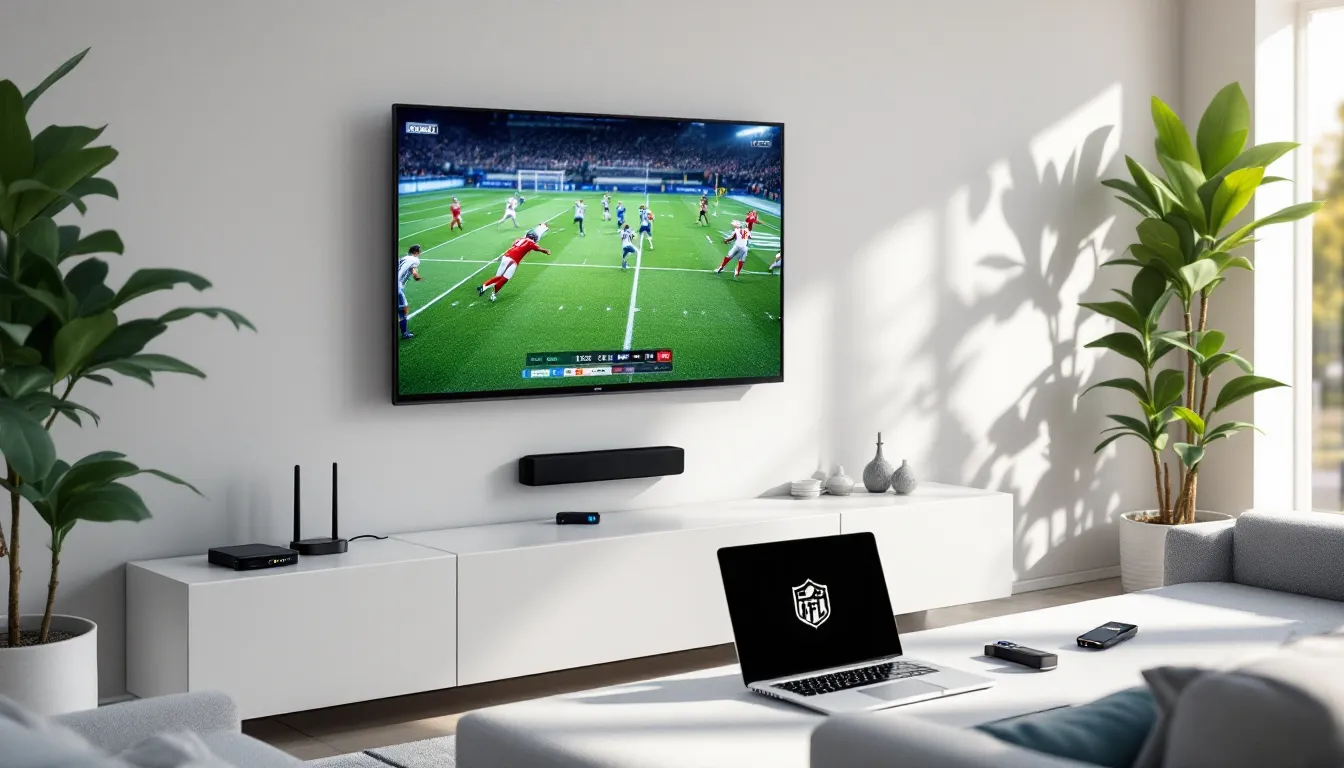
Finding a reliable stream for Panthers games shouldn’t feel like navigating a minefield of sketchy pop-ups and dead links. Whether you’re a die-hard fan catching every game or a casual viewer tuning in for rivalry matchups, the streaming landscape in 2026 offers more options than ever, but also more confusion. From official broadcast platforms to mobile apps, VPN workarounds for blackout regions, and bandwidth optimization tricks, getting Panthers game streaming dialed in requires the right setup. This guide breaks down exactly where to watch, what you’ll pay (or not pay), which devices work best, and how to troubleshoot when your stream inevitably buffers during overtime. No fluff, just the specifics you need to catch every snap.
The Panthers game streaming ecosystem splits into two main categories: official platforms with broadcast rights and third-party services bundling sports channels. Knowing which option fits your viewing habits and budget determines whether you’re watching in crisp 4K or dealing with laggy 720p.
NFL+ remains the league’s direct-to-consumer platform in 2026, offering live local and primetime games on mobile devices for $6.99/month (Premium tier at $14.99/month adds full game replays and All-22 coaches film). Critical limitation: mobile and tablet only, no casting to TVs. Perfect for commuters or second-screen viewers, useless if your primary setup is a home theater.
ESPN+ streams select Panthers games when they’re featured on ESPN or ABC broadcasts, bundled at $10.99/month or $14.99/month with Disney+ and Hulu. Coverage depends entirely on the NFL’s broadcast schedule. If the Panthers aren’t in prime time or a featured matchup, ESPN+ won’t help.
Amazon Prime Video holds exclusive Thursday Night Football rights through the 2026 season. Panthers Thursday games air here exclusively, requiring a Prime membership ($14.99/month or $139/year). No Prime, no TNF, simple as that.
Paramount+ covers CBS-broadcasted games, which typically includes AFC matchups and select NFC games depending on regional scheduling. The $5.99/month tier includes ads: $11.99/month removes them. CBS holds significant AFC rights, so if the Panthers face AFC opponents or get flexed into CBS slots, this matters.
Third-party live TV streaming services bundle the major networks (CBS, FOX, NBC, ESPN) that broadcast Panthers games based on the NFL’s national and regional schedules.
YouTube TV ($72.99/month as of March 2026) provides the most comprehensive package: local CBS/FOX affiliates, ESPN, NFL Network, and unlimited DVR. No contracts, reliable 1080p streams, and widespread device support make it the default recommendation for serious fans.
Hulu + Live TV ($76.99/month) mirrors YouTube TV’s channel lineup and includes Disney+ and ESPN+ in the base subscription, better value if you already use those services. Interface feels clunkier than YouTube TV for quick channel surfing during commercial breaks.
FuboTV ($79.99/month for the Pro tier) markets itself as the sports-first option with the most comprehensive channel lineup, including NFL RedZone in higher tiers. Excellent for multi-game viewing on Sundays, but pricey if you’re only watching Panthers games.
Sling TV offers two base packages: Sling Orange ($40/month with ESPN) and Sling Blue ($40/month with FOX and NBC in select markets). Combining both ($55/month) gets you closer to full coverage, but neither includes CBS without additional add-ons. Budget option with significant gaps in game availability.
DirecTV Stream ($79.99/month for the Choice package) delivers local affiliates, ESPN, and NFL Network. The premium tiers include NFL Sunday Ticket access as of 2026, but you’re paying $110+/month for that privilege.
Free streaming exists, but it requires either geographic luck (living in the broadcast region) or strategic use of trial periods. Completely free, indefinitely sustainable options are limited in 2026.
Antenna + Local Broadcasts remains the most reliable free method. A $30-50 HD antenna pulls CBS, FOX, and NBC over-the-air in markets where Panthers games are regionally broadcast. Picture quality often exceeds compressed streaming, zero buffering, no subscription. Limitation: only works for local/regional games, not nationally exclusive broadcasts.
NFL Mobile App (Verizon Users) offers free access to in-market games on mobile devices for Verizon Wireless customers. Verify your carrier plan includes this perk, not all tiers qualify, and coverage is identical to what’s broadcast locally on antenna.
Yahoo Sports App provides free mobile streaming of local and primetime games, though availability varies by season and partnership deals. Worked consistently through the 2025 season: confirm it’s renewed for 2026.
Network Apps with Provider Login let you stream CBS, FOX, NBC, and ESPN if you have a cable or live TV streaming login. Not “free” if you’re paying for the underlying service, but if you’re borrowing credentials from family, it works. CBS Sports and FOX Sports apps deliver local games: NBC Sports app covers Sunday Night Football.
Stacking free trials across multiple services can cover significant chunks of the season if timed correctly:
Timing strategy: Start a trial Thursday before a game week, cancel before billing. Rotate services week-to-week to stretch coverage. Payment method matters, use virtual card numbers if you’re cycling trials to avoid accidental charges. This approach demands calendar management and doesn’t work for every game, but covers 4-6 weeks of the season with zero cost if executed properly.
Choosing a paid service depends on how many Panthers games fall into national vs. regional broadcast windows and whether you need multi-device access or premium features like DVR.
Here’s the breakdown for Panthers-specific value in 2026:
YouTube TV ($72.99/month)
Hulu + Live TV ($76.99/month)
FuboTV Pro ($79.99/month)
NFL+ Premium ($14.99/month or $99.99/year)
Paramount+ with SHOWTIME ($11.99/month)
Cost-per-game analysis: A 17-game regular season means YouTube TV costs about $4.29/game if you only watch Panthers games. Add playoffs and you’re under $4/game. Compared to single-game bar tabs or stadium tickets, the math works out fast.
Disney Bundle (Disney+, Hulu, ESPN+) at $14.99/month is a no-brainer if you were already subscribing to any single service. ESPN+ alone is $10.99, so you’re getting Disney+ and Hulu for $4 more. Doesn’t replace a full live TV package but fills gaps for ESPN-exclusive games.
Amazon Prime + NFL+ isn’t an official bundle, but if you’re already paying for Prime ($139/year), adding NFL+ Premium ($99.99/year) gives you TNF exclusives plus mobile access for $239/year total, less than 4 months of YouTube TV.
YouTube TV + NFL Sunday Ticket bundles Sunday Ticket access for an additional $349/season (pricing confirmed through 2026). Only makes sense if you’re watching multiple out-of-market games every Sunday, not just Panthers games. Regional Panthers fans don’t need this.
Verizon Unlimited Plans sometimes bundle NFL+ or streaming credits. The “5G Get More” plan includes Disney Bundle and some sports perks. Check current Verizon offerings if you’re due for a phone plan change anyway, the value stacks if you were upgrading regardless.
Device compatibility determines viewing quality and convenience. Most services support the major platforms, but setup processes and feature availability vary significantly.
NFL+ App (iOS/Android) is optimized for mobile viewing with live local/primetime games, but remember the hard limitation: no TV casting. Streaming quality caps at 1080p on mobile, with adaptive bitrate adjusting based on cellular connection.
YouTube TV App delivers the smoothest mobile experience among live TV services. Picture-in-picture works natively on iOS 14+ and Android 8+, letting you browse stats or check fantasy scores without missing plays. Download games via unlimited DVR for offline viewing during flights or commutes (recording must initiate while connected).
Network Apps (CBS Sports, FOX Sports, NBC Sports, ESPN) work well but require navigating separate interfaces for different games. CBS Sports app added split-screen viewing in 2025, useful for tracking RedZone during commercials.
Data usage warning: Streaming at 1080p consumes roughly 3GB/hour on mobile. A full Panthers game burns 7-9GB depending on broadcast length. On unlimited plans with throttling after 30-50GB, you’ll hit caps fast if streaming multiple games weekly. According to detailed streaming guides, dropping to 720p cuts data usage by roughly half without massive quality loss on smaller screens.
Roku (all current models) supports YouTube TV, Hulu + Live TV, FuboTV, Sling, Paramount+, ESPN+, and NFL apps. Setup takes under 5 minutes: download app from channel store, sign in, done. Roku Ultra supports 4K where available (YouTube TV’s 4K add-on works here).
Fire TV Stick/Cube mirrors Roku compatibility but integrates better with Amazon services. Prime Video TNF streams launch faster here than other devices. Voice remote lets you say “Alexa, open YouTube TV to CBS” for quick channel jumps during RedZone monitoring.
Apple TV 4K provides the premium experience with the smoothest interface and best upscaling for 1080p streams on 4K TVs. Picture-in-picture works across streaming apps. More expensive ($129-149 depending on storage) but worth it if you’re already in the Apple ecosystem.
Google Chromecast with Google TV integrates best with YouTube TV, expected, since both are Google products. Voice search pulls live games instantly. 4K model ($49.99) handles YouTube TV’s 4K streams when available.
Samsung/LG/Vizio Smart TVs have built-in apps for major services. Performance varies wildly by TV age and processor. 2024+ models handle 1080p streaming fine: anything older may stutter during high-motion plays. Dedicated streaming devices ($30-50) outperform built-in TV apps consistently.
Setup tip: Wire your streaming device via Ethernet whenever possible. Wi-Fi works, but eliminating wireless interference during crucial 4th-quarter drives is worth the $10 cable.
PC Browsers support most streaming services directly. YouTube TV, Hulu + Live TV, FuboTV, and network sites stream through Chrome, Firefox, Safari, or Edge. Quality maxes at 1080p (720p on some older services). Use ad blockers sparingly, some services detect them and throttle quality or block playback entirely.
PlayStation 5/Xbox Series X handle streaming apps natively. YouTube TV, Hulu, ESPN, NFL, and network apps are available through console stores. PS5’s Media Remote ($29.99) adds dedicated streaming controls: Xbox integrates with voice commands. Both consoles support 4K streaming where services offer it.
Steam Deck/PC Handhelds run Android apps via emulation or access browser-based streams. Picture quality suffers on smaller screens, but functionality works for on-the-go viewing when you can’t access mobile apps.
Multi-monitor PC setup: Open the game stream on one monitor, fantasy dashboard or RedZone on the second. Most services allow browser + mobile app simultaneous streams under the same login, effectively giving you multi-view capability without paying for premium tiers.
Geographic restrictions hit hardest when you’re traveling or living outside the Panthers broadcast region. Understanding blackout rules and VPN workarounds lets you access games regardless of location.
Local blackouts occur when a Panthers game is broadcast on local TV in your region, streaming services like NFL+ won’t show it because the league wants you watching on local affiliates (driving ad revenue for broadcast partners). If you’re in Charlotte during a home game broadcast on FOX locally, NFL+ blacks it out. Solution: antenna or live TV service with local FOX affiliate.
Out-of-market restrictions block you from watching Panthers games when you’re outside their broadcast region and the game isn’t nationally televised. Living in Seattle means Panthers-Cardinals games won’t appear on local networks unless it’s primetime or a featured matchup. NFL Sunday Ticket solves this but costs $349/season.
International blackouts affect US service subscribers traveling abroad. Most US streaming services geo-lock content to domestic IP addresses. YouTube TV, Hulu + Live TV, and FuboTV won’t load outside the US without location spoofing.
VPN detection has gotten aggressive in 2026. Services like YouTube TV and ESPN+ detect and block known VPN IP ranges. Free VPNs fail almost universally: even paid services get blocked unless they actively refresh IP pools.
VPN selection matters enormously. Based on extensive testing through the 2025 season, these work most consistently:
ExpressVPN ($12.95/month or $99.95/year) maintains the highest success rate for US streaming services. Servers refresh frequently enough that YouTube TV and Hulu + Live TV rarely detect them. Connect to US servers in your “home” region (Charlotte/Southeast servers if you’re establishing Panthers as local market).
NordVPN ($11.99/month or $59.88/year) costs less and works well but experiences occasional detection on ESPN+ and Paramount+. SmartPlay feature auto-selects best servers for streaming.
Surfshark ($12.95/month or $47.88/year) offers unlimited simultaneous connections, useful for households with multiple viewers. Slightly higher detection rate than ExpressVPN but significantly cheaper.
Setup process:
Troubleshooting VPN detection: If YouTube TV shows “This content isn’t available in your region,” disconnect VPN, clear browser cache/cookies, reconnect to different server, try again. Mobile apps require clearing app data in some cases.
Router-level VPN: Installing VPN on your router covers all connected devices (Smart TVs, consoles, etc.) without per-device setup. Requires router with VPN client support (Asus RT-AX86U or similar). Trade-off: entire household traffic routes through VPN, potentially slowing non-streaming activity.
Legal note: Using VPNs to access content you’re already paying for (YouTube TV subscription while traveling) falls into gray area, not explicitly illegal but violates terms of service. Services can terminate accounts if detected, though warnings typically precede termination.
Even optimized setups hit technical problems. Knowing how to diagnose and fix issues quickly means less time watching loading spinners and more time watching the actual game.
Buffering during live action stems from three main causes: insufficient bandwidth, network congestion, or server-side issues on the streaming platform.
Diagnostic steps:
Quality degradation mid-game usually indicates adaptive bitrate adjusting to connection instability. Wired Ethernet connections prevent this: Wi-Fi suffers from interference during peak evening hours (when everyone’s streaming games).
Platform-specific issues:
Audio running ahead or behind video by 0.5-2 seconds ruins the experience, you hear the snap before seeing it, or crowd noise comes late.
Device-level fixes:
Streaming service settings:
Last resort: Close app completely, restart device, reload stream. Syncing issues often accumulate over long viewing sessions (pre-game through post-game). Restarting resets buffers and typically resolves the problem.
Your internet connection determines whether you’re watching in crisp 1080p or blurry 480p with constant buffering. Optimizing network settings and meeting bandwidth requirements eliminates most streaming headaches.
Streaming services list minimum speeds, but real-world reliable streaming needs significantly more headroom:
720p streaming: 5-8 Mbps minimum, 10 Mbps recommended
1080p streaming: 10-15 Mbps minimum, 25 Mbps recommended
4K streaming: 25-35 Mbps minimum, 50 Mbps recommended
Those numbers apply per stream. Household with multiple simultaneous streams (Panthers game + spouse watching something else + kids on tablets) needs to multiply accordingly. Three 1080p streams demand 75 Mbps to avoid quality drops.
Upload speed barely matters for streaming consumption, relevant primarily for video calls during game watch parties or if you’re simultaneously streaming gameplay to Twitch.
Test your actual speeds: Run tests at game time (Sunday 1 PM, Thursday 8 PM) when network congestion peaks. Morning speed tests showing 100 Mbps mean nothing if evening tests drop to 40 Mbps during ISP throttling or neighborhood saturation.
If consistent tests show under 25 Mbps and you’re paying for higher speeds, power cycle modem/router, check for ISP outages, or contact support. Router older than 2020 may bottleneck connection, upgrade to Wi-Fi 6 (802.11ax) routers for better performance.
Network configuration dramatically impacts streaming stability. These adjustments reduce buffering and maintain consistent quality:
QoS (Quality of Service) settings prioritize streaming traffic over other devices. Access router admin panel (typically 192.168.1.1 or 192.168.0.1), enable QoS, set streaming device MAC address as high priority. Traffic from your Smart TV or streaming stick gets bandwidth preference over background downloads or IoT devices.
5 GHz Wi-Fi band provides faster speeds and less interference than 2.4 GHz but shorter range. Place streaming devices on 5 GHz: keep IoT devices (smart lights, security cameras) on 2.4 GHz to reduce congestion. Routers supporting Wi-Fi 6 handle both bands more efficiently.
Channel selection matters in dense housing (apartments, condos). Wi-Fi analyzer apps (Wi-Fi Analyzer on Android, NetSpot on PC/Mac) show neighboring networks. Manually set router to least congested channel, typically channels 1, 6, or 11 on 2.4 GHz: auto-select often picks poorly.
DNS server changes occasionally improve streaming performance. Switch from ISP-provided DNS to Cloudflare (1.1.1.1) or Google DNS (8.8.8.8). Performance gains are marginal but free to test. Technology reviews consistently show Cloudflare DNS offering slightly faster resolution times for streaming domains.
Device placement affects Wi-Fi signal strength. Streaming devices should have clear line-of-sight to router when possible. Avoid placing routers in cabinets, behind TVs, or in basements. Central home location on main floor provides best coverage.
Mesh network systems (Google Nest WiFi, Eero, Netgear Orbi) eliminate dead zones in larger homes. If your streaming setup is 30+ feet from router with walls in between, mesh nodes extend strong signal. Costs $150-300 but solves persistent Wi-Fi issues permanently.
Wired Ethernet remains the gold standard. Cat 6 cables support gigabit speeds with zero interference. Running Ethernet to your primary streaming location eliminates 90% of connection issues. Powerline adapters (network over electrical wiring) work as backup if running cables isn’t feasible, performance sits between Wi-Fi and Ethernet.
Background bandwidth hogs: Pause cloud backups, disable auto-updates on consoles, stop torrent clients during games. Windows Update downloading in background has ruined countless 4th quarter drives.
Monitoring tools: Router apps (Netgear Nighthawk app, TP-Link Tether, etc.) show real-time device bandwidth usage. Identify which device is saturating connection and throttle accordingly during games.
The 2026 Panthers schedule features the standard 17 regular-season games with specific broadcast assignments determining which streaming services carry each game. While the full schedule gets officially released each May, here’s how to approach game-by-game streaming planning.
Sunday afternoon games (typically 1 PM or 4:25 PM ET) air on either CBS or FOX depending on opponent conference and NFL broadcast assignments. AFC opponent matchups typically go to CBS: NFC opponents usually hit FOX. In-market viewers access these via antenna, Paramount+ (CBS games), or any live TV streaming service carrying local affiliates. Out-of-market fans need NFL Sunday Ticket or location-spoofing via VPN.
Sunday Night Football broadcasts exclusively on NBC, streamed via Peacock Premium ($5.99/month) or any live TV service with NBC. SNF games earn prime time slots based on flexed scheduling starting Week 5, Panthers games get flexed into SNF when performing well or facing high-profile opponents. These games are nationally available regardless of location.
Monday Night Football airs on ESPN (and simulcast on ABC for select games in 2026). Access via ESPN+, Hulu + Live TV, YouTube TV, FuboTV, or Sling Orange. MNF features roughly 2-3 Panthers games per season depending on competitiveness.
Thursday Night Football streams exclusively on Amazon Prime Video, requiring Prime membership. Expect 1-2 Panthers TNF appearances annually. These games also get simulcast on local broadcast TV in participating teams’ home markets, so Panthers fans in Charlotte can watch on antenna even without Prime.
International Series games occasionally feature the Panthers in London or Germany matchups. These typically air Sunday morning (9:30 AM ET) on NFL Network with streaming via NFL+, YouTube TV, or FuboTV. The 2026 international schedule hasn’t confirmed Panthers participation yet.
Playoff availability shifts entirely to network broadcasts (NBC, CBS, FOX, ABC/ESPN) with no streaming exclusives, making any live TV service or antenna sufficient. Wild Card weekend splits across networks: Divisional Round and beyond consolidate to NBC and CBS.
Schedule tracking: The official Panthers website publishes the full schedule with broadcast assignments by mid-May 2026. ESPN’s NFL schedule page updates with streaming platform info once assignments finalize. For those following multiple teams or esports news alongside NFL coverage, schedule aggregator apps like The Score or ESPN compile multi-sport viewing options with one-tap access to appropriate streaming services.
Week-by-week planning tip: Screenshot the Panthers schedule with broadcast network listed for each game. Cross-reference against your active streaming subscriptions to identify gaps, if Week 7 airs on a network you don’t have access to, that’s when to activate a free trial or plan an alternate viewing location.
Streaming Panthers games in 2026 comes down to matching your viewing habits with the right combination of services, devices, and network setup. YouTube TV or Hulu + Live TV covers most games for around $75/month, while strategic antenna use and free trials fill gaps without very costly. Mobile-only viewers get by with NFL+ at $15/month, and out-of-market fans either invest in Sunday Ticket or learn VPN configuration.
The technical side, bandwidth, device selection, troubleshooting buffering, matters as much as subscription choice. A 1080p stream on optimized wired Ethernet beats 4K over struggling Wi-Fi every time. Bookmark your speed test results, know which VPN servers work with your streaming service, and keep that backup antenna handy for when internet decides to fail during a game-winning field goal attempt.
Gameday preparation isn’t just about snacks and jersey selection anymore. Test your stream 30 minutes before kickoff, confirm your VPN connects if needed, and verify no one’s about to start a 4K download. Handle the setup right, and you’ll spend Sundays watching Panthers football instead of troubleshooting error messages.
